<?xml version="1.0" encoding="UTF-8"?>
<feed xmlns="http://www.w3.org/2005/Atom">
  <title type="text">South America 2012 </title>
  <updated>2019-09-04T05:00:12+03:00</updated>
  <generator uri="http://rohea.com" version="0.1">Blog Integration Feed Generator</generator>
  <link rel="alternate" type="text/html" href="https://enne4.vuodatus.net/"/>
  <link rel="self" type="application/atom+xml" href="https://enne4.vuodatus.net/feeds/atom"/>
  <id>https://enne4.vuodatus.net/</id>
  <author>
    <name>enne51</name>
    <uri>https://enne4.vuodatus.net/</uri>
  </author>
  <entry>
    <title type="html"><![CDATA[Missing pictures]]></title>
    <summary type="html"><![CDATA[All the pictures of my blog are gone because of some technical problems with the server. It really pisses me off. I did lot of work downloading them with bad Internet connections. At the moment I don´t really have the motivation do that work again.I´m sorry about that. I also lost my camera at the end of my trip. Luckily most of the pictures were saved in my laptop or in my Facebook.]]></summary>
    <published>2012-09-03T23:30:01+03:00</published>
    <updated>2019-09-04T04:59:28+03:00</updated>
    <link rel="alternate" type="text/html" href="https://enne4.vuodatus.net/lue/2012/09/missing-pictures"/>
    <id>https://enne4.vuodatus.net/lue/2012/09/missing-pictures</id>
    <author>
      <name>enne51</name>
      <uri>https://enne4.vuodatus.net/</uri>
    </author>
  </entry>
  <entry>
    <title type="html"><![CDATA[Cusco and Macchu Pichu]]></title>
    <summary type="html"><![CDATA[On 17th of May I finally left Bolivia. I had to pay a fine of 580 Bolivianos (65 euros) at the border for  29 days of overstay (on.y 3 months every year is allowed). The ride on a tourist bus to Cusco (Peru) 12 hours without any lunch break. Luckily we had one toilet break for 5 minutes though. <br />
 <br />
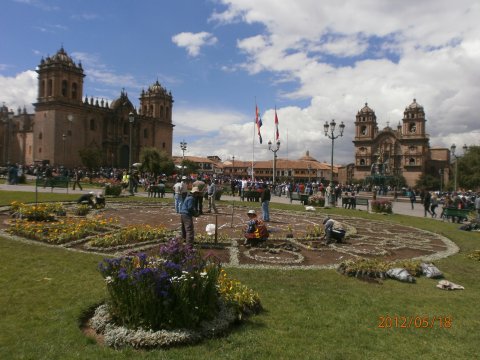
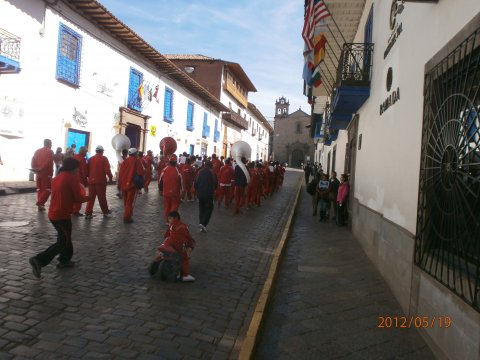
Cusco is a beautiful city with an interesting history, but there are just too many tourists. Local people are trying to take advantage of a tourism which is very important for their economy and by any means they have a right to earn their living, but eventually you get very tired of all those people trying to sell you their products and inviting you to eat in their restaurants. The center is full of restaurants and travel agencies with very variable prices.<br />
 <br />
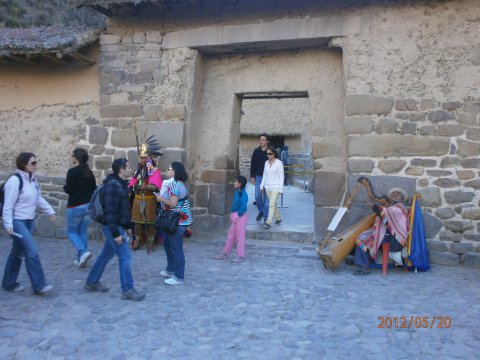
The area of Cusco and the sacred valley nearby are full of ruins of the temples from the times of Inkas. To visit them you ndeed to purchase a tourist ticket for 130 soles (50$) or pay 40 soles for a single entry.  The tours that take you to the ruins aren’t that expensive and they are fastest way to do it.  The guides were knowledgeable and the service was good. They even waited for me when I got lost in one of the ruins.<br />
 <br />
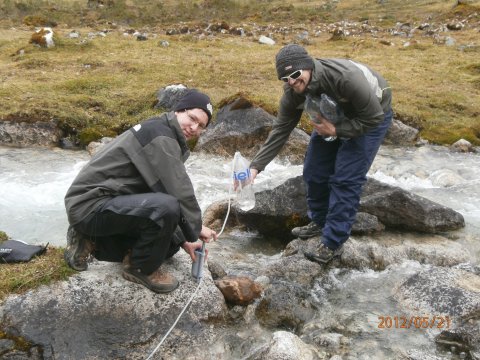
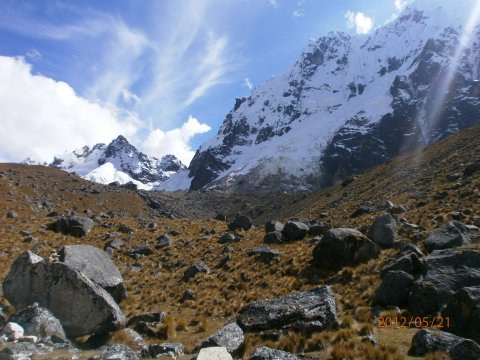
After two days of sightseeing it was time to do the Salkantay trek for five days. Inka trail is the best and the most popular trek, but it’s expensive and has to be booked at least three months in advance. Salkantay you can book just two days before the departure eventhough it’s getting very popular too. In five days you walk aslmost 100 kilometers in the varying landscapes from the mountains to jungle. The hardest climb is the Salkantay pass climbing from 3600m to 4600m.<br />
 <br />
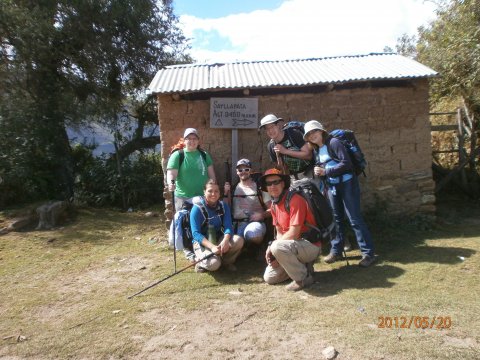
We started in the first from Cusco at 5.30 a.m after  waiting one hour for no reason. After two hours ride we started trekking 4 km from the actual starting point due to late start (????).  I was put to a same group with 5 Canadians who knew each other. Some of them problems with climbing the steep hills. I thought it was told very clearly that this is not an easiest trek and there is lot of climbing and downhills. along the way. We stopped many times and waited for them patiently.  Besides the guide we had two chefs and and one horseman with us taking care of our food and camping and cooking gear.  The meals eaten in the nature were actually very good and we got some coffee too.<br />
 <br />
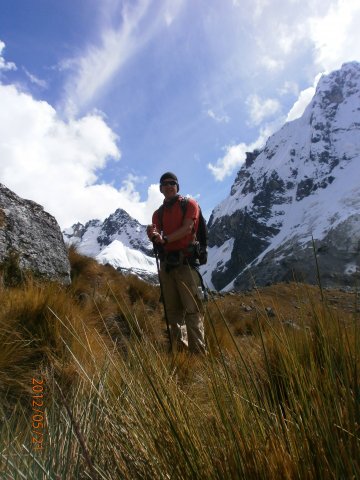
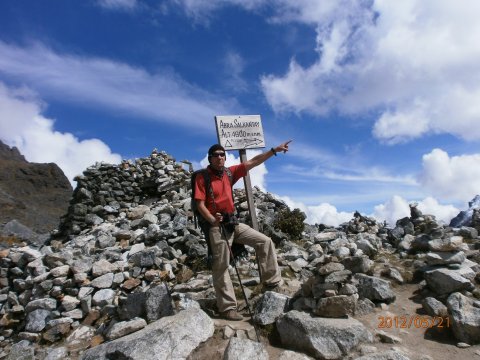
Th e first night we spent near Salkantay mountain in 3600m. It was windy and cold. Luckily our tents were under the roof and we had enough clothes and warm sleeping bags. Next morning we started the climb to Salkantay pass which was the highest point of the trek. The climb was tough, but I enjoyed it and the beautiful scenery. Nobody has ever managed to climb the actual mountain (6200m) though. In the afternoon we were descending quickly until the edge of the jungle in the rain. We walked more than 20 km that day in changing conditions. I almost lost my sense of humor in the rain waiting for the slowest of the group. The one of the girls was clever and hired the mule for first climb, but the rest of the day she had to walk also. The rainy night we spent camping in the backyard of one local family. Everybody was tired after long day and hit the sack after dinner.<br />
 <br />
The third day we walked just in the morning and enjoyed the fresh jungle after the rain. In the afternoon we camped on the campsite near one village known of its thermal baths. All the natural pools were full of people.  One of them was actually very hot. One German decided to ruin his trek by diving to a pool with one meter of water.  Luckily the first aid clinic was near and he got six stiches to his leg, but he had to finish the trek by car. In the evening we had campfire with disco lights and loud music, a very natural experience indeed. I went to my tent quite early after drinking few beers,  but I guess that some of the trekkers partied until morning.<br />
 <br />
The fourth day was the most boring. We walked on the road and along the railroad to Aquas Calientes,  one of the most touristic places on this planet. A small village is full of hotels, restaurants, massage places and people offering these services on the streets. Without the presence of the famous mountain nobody would know this village. After the four days of walking it was nice to have a hot shower in the hostel and eat in the restaurant.<br />
 <br />
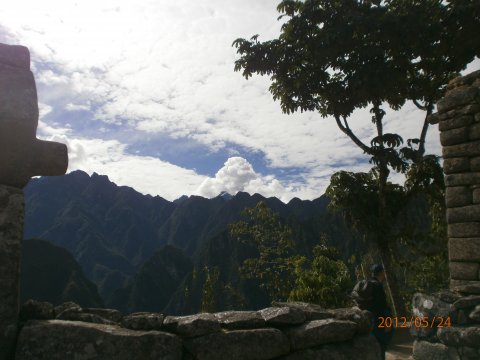
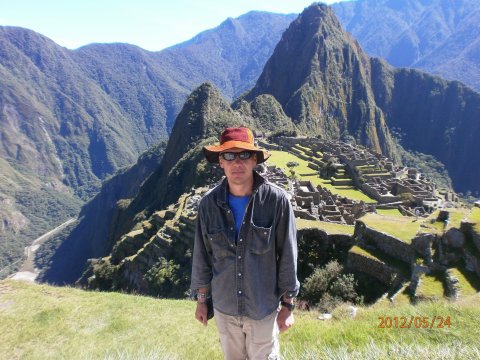
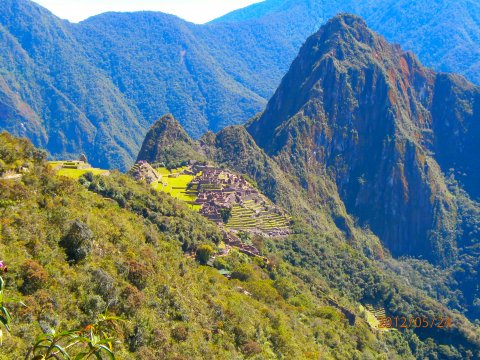
The last day we started by climbing the steep stairs to the entrance of Macchu Pichu. For me it took one hour, but for the slowest of the group half an hour more. The line was already long when they opened gates at 6 a.m. We could finally start our guided tour after 7. Nevertheless the ruins were quite impressive and it was interesting to listen to the history of the Inka empire and building of the city. Suddenly the sky cleared up and we had beautiful views over the ruins and the surrounding mountains. I couldn’t get the permission to climb Huayna Pichu mountain before the trek in Cusco, because 400 tickets were already sold for that day. It would have been a steep climb for one hour rewarded by beautiful views over the ruins. I climbed the sungate, end of the Inka trail, instead. After spending six hours on the ruins I decided leave in the early afternoon. It would have been  possible to take the bus down to the village for 9 dollars, but I decided to enjoy the steep stairs once more. I was pretty tired when I finally got down, but there was still many hours to spend before the departure of the train. After sending the postcards, eating a bad meal, drinking few beers and enjoying the hostel’s coach in the candle light, the electricity went off for few hours, we could finally catch our train leaving at 9.30 p.m. All the transportation to Macchu Pichu is very expensive, but luckily all the tickets were included in the price of the trek. We were picked up by the minivan of the agency from the last station.  Finally we arrived in Cusco after midnight.  The trek wasn’t perfect, but it was definitely worth the money and good way to visit one of the seventh wonders of the world.<br /><br /><img alt="" src="http://mediaserver-2.vuodatus.net/g/8/85483/1349704130_img-6c1a735db89f72450f874426665495af.jpg" style="width:480px;height:360px;" /><img alt="" src="http://mediaserver-2.vuodatus.net/g/8/85483/1349704412_img-d425f74114004a75223b3b01253e471d.jpg" style="width:480px;height:360px;" /><img alt="" src="http://mediaserver-2.vuodatus.net/g/8/85483/1349704303_img-a805d0c68c5d58a2f47374dab2779233.jpg" style="width:480px;height:360px;" /><img alt="" src="http://mediaserver-2.vuodatus.net/g/8/85483/1349704526_img-bc7bd06f6a30e14dd5ba36045add7472.jpg" style="width:480px;height:360px;" /><img alt="" src="http://mediaserver-2.vuodatus.net/g/8/85483/1349705354_img-324f23ef8ddb0d3f06c206a34275f1c3.jpg" style="width:480px;height:360px;" /><img alt="" src="http://mediaserver-2.vuodatus.net/g/8/85483/1349704596_img-5fa29bbd49602f9c68a71f08a7f25783.jpg" style="width:480px;height:360px;" /><img alt="" src="http://mediaserver-2.vuodatus.net/g/8/85483/1349704853_img-8f7c322f3e3674ca8555717384d7f76d.jpg" style="width:360px;height:480px;" /><img alt="" src="http://mediaserver-2.vuodatus.net/g/8/85483/1349704967_img-078f237047847cd2e17424f1bf79adde.jpg" style="width:480px;height:360px;" /><img alt="" src="http://mediaserver-2.vuodatus.net/g/8/85483/1349705186_img-105f55d7fe88c604d327063ac43e7bec.jpg" style="width:480px;height:360px;" /><img alt="" src="http://mediaserver-2.vuodatus.net/g/8/85483/1349704764_img-82ac11e964ee057a9fda8b8c05dbbd77.jpg" style="width:480px;height:360px;" /><img alt="" src="http://mediaserver-2.vuodatus.net/g/8/85483/1349704047_img-4077bbad2280f98a51c2cfd63711f603.jpg" style="width:480px;height:360px;" /><img alt="" src="http://mediaserver-2.vuodatus.net/g/8/85483/1349703983_img-a2c151c7a3e3e5a111e585f9a943ec50.jpg" style="width:480px;height:360px;" /><br />]]></summary>
    <published>2012-06-01T23:26:01+03:00</published>
    <updated>2019-09-04T04:59:30+03:00</updated>
    <link rel="alternate" type="text/html" href="https://enne4.vuodatus.net/lue/2012/06/cusco-and-macchu-pichu"/>
    <id>https://enne4.vuodatus.net/lue/2012/06/cusco-and-macchu-pichu</id>
    <author>
      <name>enne51</name>
      <uri>https://enne4.vuodatus.net/</uri>
    </author>
  </entry>
  <entry>
    <title type="html"><![CDATA[Rurrenabaque]]></title>
    <summary type="html"><![CDATA[<p>
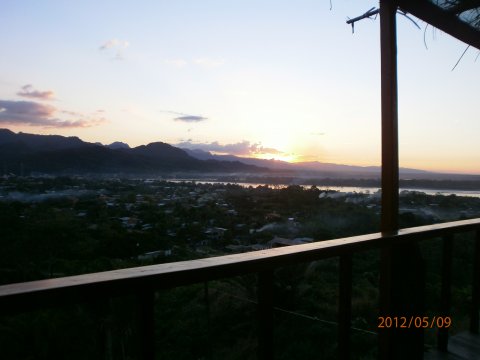
	I Decided to finish my trip to Bolivia by visiting Rurrenabaque in the department of Beni. The town is famous of it`s beatuful surroundings and ecotourism. I decided to fly there from La Paz, because the journey by bus would have taken at least 18 hours on a bad road. In La Paz I had to go the airport at 4 a.m, because it wouldn`t  have been possible later due to strikes and blockades on the roads. At the airpot I suddenly heard somebody speaking a stange language that I understood. It was quite weird to meet the first Finnish people for 8 months. </p>
<p>
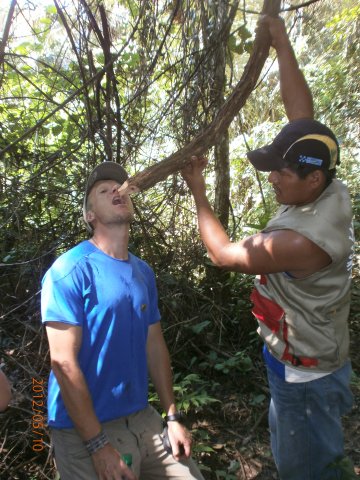
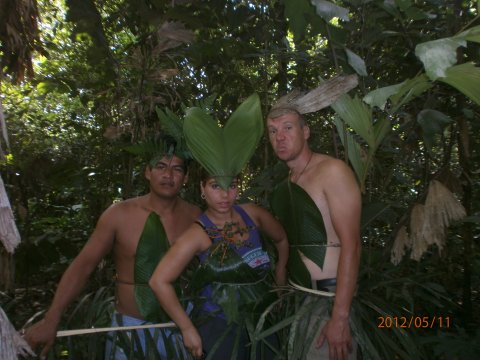
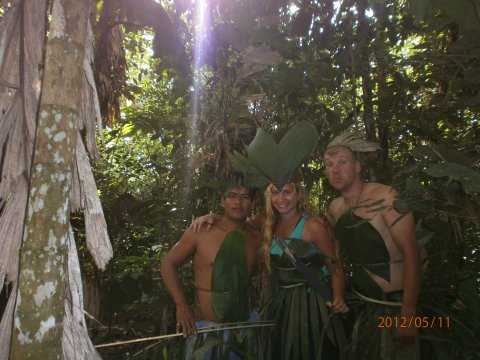
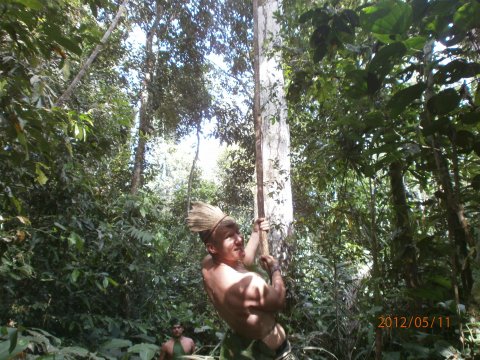
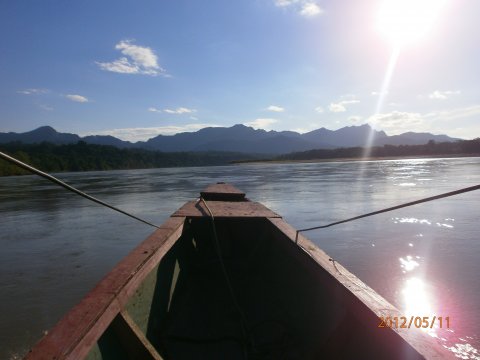
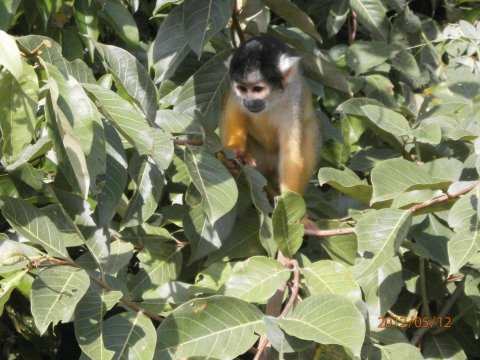
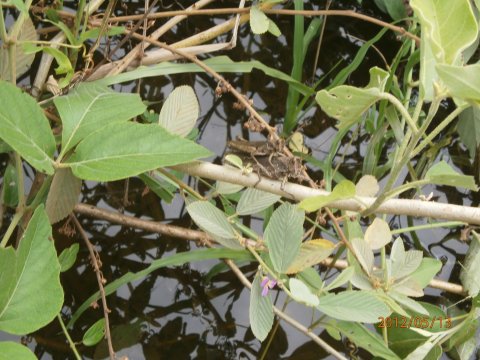
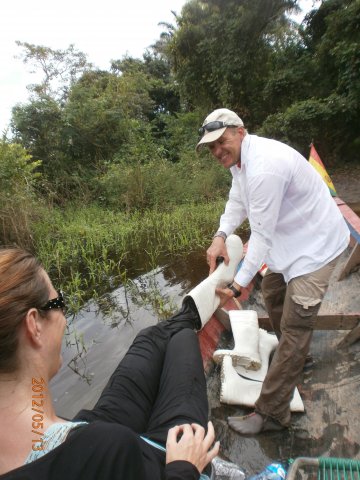
	My first trip in Rurre was to a jungle located in Madidi national park where all the flora and fauna is protected by a law. Local communities are also having different kind of conservation and ecotourism projects. Nevertheless I decided to do my trip with a commercial agency mainly because of the cheap price. They also practise the responsible tourism, because their customers have to pay an entrance fee (14€) to a park and respect the immunity of the nature. We stayed in a resort located 2 hours (by boat) upriver from Rurre. Every day we did walks to a surrounding jungle where our guide explained us about the animals and plants in Spanish which I tried to translate to a rest of the group. As a native he knew lot of intresting facts about the animals and plants. The jungle is a fascinating and exciting enviroment, because of the unpredictable behavior of the animals (you never know what you going to see) and the interesting features of the plants and the trees (some of them are extremely poisonous and some serve as mecicine or drugs). During our stay we saw a cabiwara, wild pigs, parrots, spiders, frogs, some interesting insect and the footprints of jaguar (I wouldn't like to meet this guy in a forest). In the last day the girls from Israel wanted dress up like indians which was fine to our guide. We also did some handicrafts from natural materials.</p>
<p>
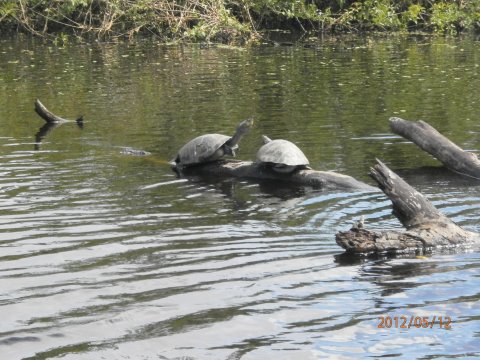
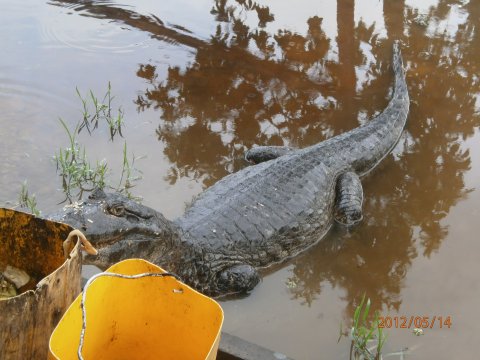
	The next trip was to Pampas, the lowest area of Bolivia. There you can basically sit on the boat watching abundant wildlife on the riverbanks of Yacuma. The nature is still quite intact due to difficult access to area. It is guaranteed to see lot of birds, reptails and mammals. We were lucky to have a small group, a knowlegeable guide, good cook and a quiet accommodation by the river. In the group of four people there were two Finnis people, which is very uncommon. After a rivertrip for three hours we went to watch the sunset to a resort that wasn't as nice as ours with much more people staying there. On a way back our guide explained us about the stars above us. </p>
<p>
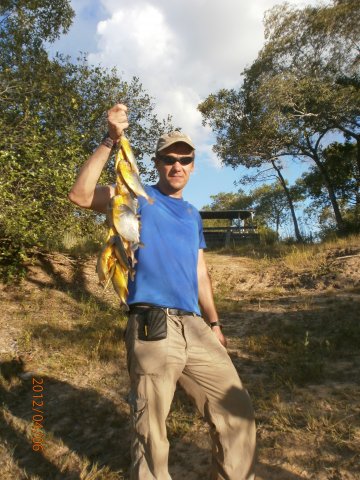
	The next day we went to spot for the Anacondas, but we couldn't see any. It was interesting to walk on a swamp and listening to our guide explaining about the big snakes and the fire that killed most of them. In the afterniin it was time to fist the Piranjas. It turned out to be more of a Piranja feeding and I could catch only one small fish. Our guide caught few, but it wasn't enough for a dinner. </p>
<p>
	After going back on a third day we swam in the river with pink dolphins. The swimmin is safe, because the dolphins keep away all the nasty creatures ahich would otherwise eat you alive. They are actually very friendly and want to play with people. Those who got touched said that they are slimy like fishes in general. On the afternoon we had to leave our lodge and go back by boat to a nearest village. It was raining more or less the whole day and of course we got wet in the boat without the roof. Luckily the trip took only one hour, because we didn't for animal spotting anymore. </p>
<p>
	On our way back to Rurrenabaque there was total chaos on the road ("highway to Brazil"). One day of rain had made the road totally muddy. Lot of trucks and busses  had got stucked and there was no passing. Luckily our driver was very experienced and used to drive in this kind of conditions. He could pass the trucks driving through the fiield beside the road. In order to make it possible we had to get off the car and walk on the muddy road. We made it to Rurre on a same day, but I wonder how long did it take to dig the trucks and busses out of the mud.  </p>
<img alt="" src="http://mediaserver-2.vuodatus.net/g/8/85483/1349878117_img-a61f68662e474b41ce9a14a995a72da0.jpg" style="width:480px;height:360px;" /><img alt="" src="http://mediaserver-2.vuodatus.net/g/8/85483/1349878465_img-5a6d31c684ec1b0b9e0ac2baa26fbd51.jpg" style="width:360px;height:480px;" /><img alt="" src="http://mediaserver-2.vuodatus.net/g/8/85483/1349878531_img-387b80eda9d3ab2831821184347d1708.jpg" style="width:480px;height:360px;" /><img alt="" src="http://mediaserver-2.vuodatus.net/g/8/85483/1349878584_img-1770d9c66894a9911c95e59f344c4a60.jpg" style="width:480px;height:360px;" /><img alt="" src="http://mediaserver-2.vuodatus.net/g/8/85483/1349878627_img-fa518c285a88bbb3ecffb482be7c3fc7.jpg" style="width:480px;height:360px;" /><img alt="" src="http://mediaserver-2.vuodatus.net/g/8/85483/1349878701_img-94a76ccb9f9c0684f93d9b2f54d0d074.jpg" style="width:480px;height:360px;" /><img alt="" src="http://mediaserver-2.vuodatus.net/g/8/85483/1349878749_img-640ea7eb227e0807e38bbe03fb9b61cd.jpg" style="width:480px;height:360px;" /><img alt="" src="http://mediaserver-2.vuodatus.net/g/8/85483/1349878820_img-656cd141b8ffa4c646bee4d40a756cfd.jpg" style="width:480px;height:360px;" /><img alt="" src="http://mediaserver-2.vuodatus.net/g/8/85483/1349878861_img-2ec3e953e4f02844b97dbed030353639.jpg" style="width:480px;height:360px;" /><img alt="" src="http://mediaserver-2.vuodatus.net/g/8/85483/1349878921_img-a8be7a9c7357957da58af7ea9ffc0aac.jpg" style="width:360px;height:480px;" /><img alt="" src="http://mediaserver-2.vuodatus.net/g/8/85483/1349878993_img-5d3274380edd1a4f0ee33206f1b611ab.jpg" style="width:480px;height:360px;" />]]></summary>
    <published>2012-05-16T04:24:01+03:00</published>
    <updated>2019-09-04T04:59:33+03:00</updated>
    <link rel="alternate" type="text/html" href="https://enne4.vuodatus.net/lue/2012/05/rurrenabaque"/>
    <id>https://enne4.vuodatus.net/lue/2012/05/rurrenabaque</id>
    <author>
      <name>enne51</name>
      <uri>https://enne4.vuodatus.net/</uri>
    </author>
  </entry>
  <entry>
    <title type="html"><![CDATA[Huayna Potosi]]></title>
    <summary type="html"><![CDATA[<p>
	 </p>
<p>
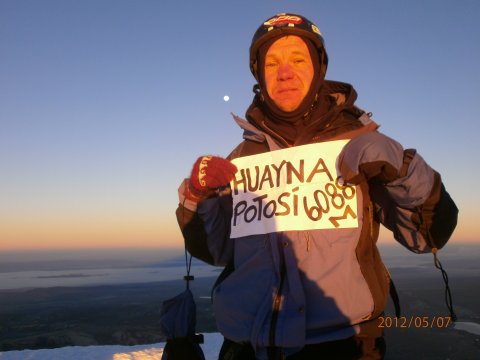
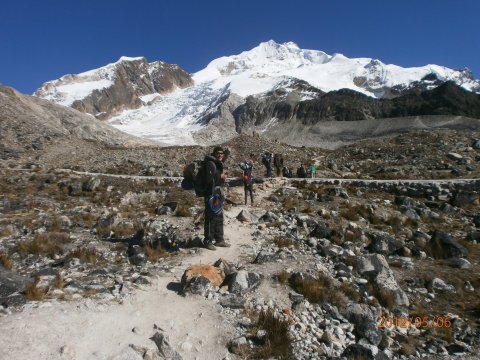
	n La Paz I decided to fulfill my dream of reaching a 6000 m mountain peak and signed in to a very popular tour of climbing the Huayna Potosi (6088 m). It is not a technical climb, but it requires a good reparation and acclimatization. After being some time at least 2500 m above the sealevel I was ready to try it.</p>
<p>
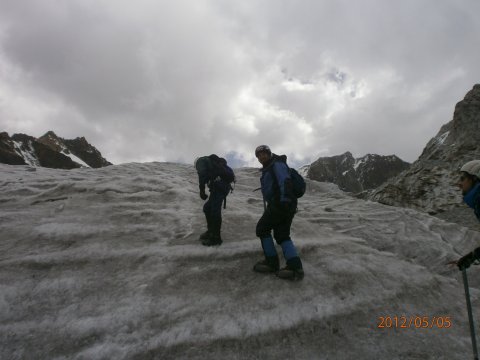
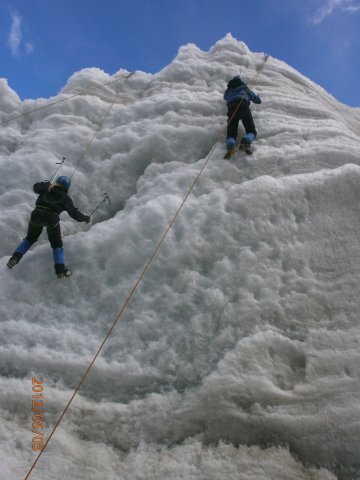
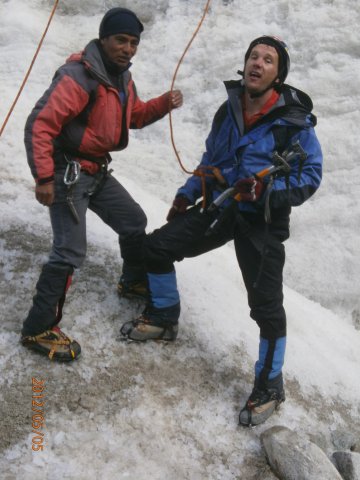
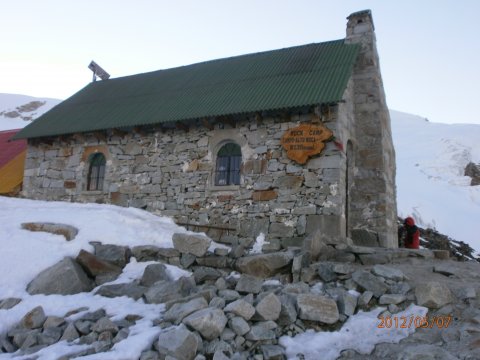
	In the first day we were transported by a car to the base camp (4700m) and spent a day there by practising the use of  crampons, ax and the other gear on a glacier. We also did some iceclimbing on the icewall. That was fun, but hard for the hands. The next morning we had to climb to a high camp (5200 m) carrying all the gear in a backpack. It took us only two hours and the afternoon was free for enjoying the amazing scenery and sleeping. After the dinner at  6 p.m it was time to sleep again. Surprisingly almost everybody could sleep that early, because it was dark and quiet.</p>
<p>
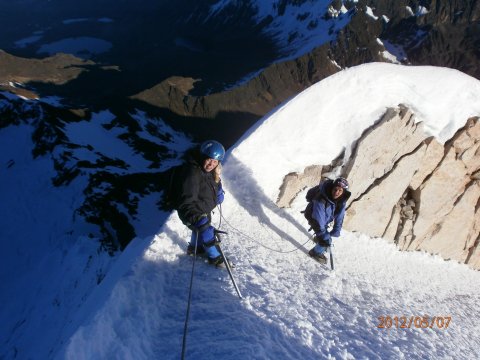
	The wake up call came at midnight. It was time to get ready for the long climb to a peak. I put all the clothes on that I had, but realised soon that it was too much and had to took the first jacket off.  The atmosphere was mellow and the climb didn't feel too difficult. Of course we walked slowly, because the lack of air. The full moon was illuminating the beautiful landscape as we ascended. Every guide took care of two climbers. I was hanging on the same rope with one Swedish girl. She had to stop every now and then to get some extra air, but I was feeling fine most of the time.</p>
<p>
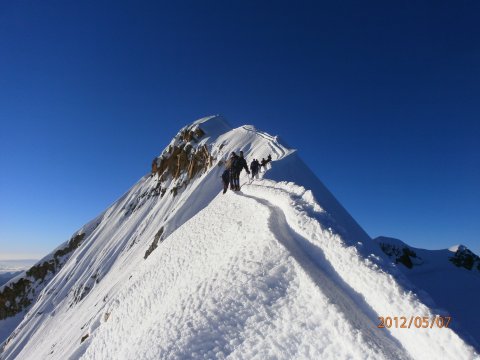
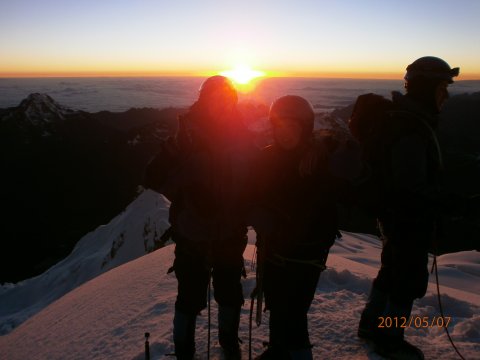
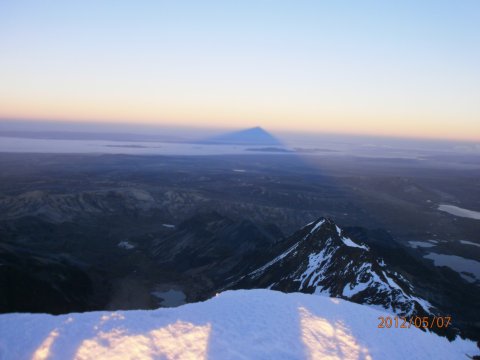
	At 6.00 a.m after five hours of climbing we reached 6000 meters. The last climb to the actual peak was scary and difficult. The path was very narrow and there was a deep fall (steep wall) on both sides. I don`t remember being so afraid never in my life. I thought to myself: Why are we doing this? For fun? To test our limits? Nevertheless we reached the top slowly, but surely. Then we had half an hour to enjoy the sunrise and the amazing views which really were worth the effort. No pain no gain :) Of course we had to ascend the same way very carefully and avoid falling down. After that we could descend quite fast eventhough I was already very tired and my legs hurt, because of the long climb. It got also hot due to a strong sun. After two hours we got back to a high camp and had a light breakfast and some rest for one hour.  After that we still had to carry our gear to a basecamp. At noon I was very tired after being awake for 12 hours and walking for 9 hours. We had to finnish the long day with an urban trek on the highway to La Paz, because our driver couldn't drive the minivan to a center due to blockeades and demonstrations. Ten people of sixteen could make it to the top that night. I can be thankful for my achievement to coca leaves, altitude pills and good acclimatization.</p>
<p>
	 </p>
<p>
	 </p>
<p>
	 </p>
<br /><img alt="" src="http://mediaserver-2.vuodatus.net/g/8/85483/1349877350_img-5d02e3ba6e75b5be86d6a827d216b82e.jpg" style="width:480px;height:360px;" /><img alt="" src="http://mediaserver-2.vuodatus.net/g/8/85483/1349877133_img-c2e4e254e3797ba555c7f28b7e7e7054.jpg" style="width:480px;height:360px;" /><img alt="" src="http://mediaserver-2.vuodatus.net/g/8/85483/1349877215_img-deaa9ab96c0e8213609037fba731050b.jpg" style="width:480px;height:360px;" /><img alt="" src="http://mediaserver-2.vuodatus.net/g/8/85483/1349877270_img-9ed8e5e95a8ef194002abcf56882a59d.jpg" style="width:480px;height:360px;" /><img alt="" src="http://mediaserver-2.vuodatus.net/g/8/85483/1349705922_img-101736edd7257e9181aa958d2e1ac415.jpg" style="width:480px;height:360px;" /><img alt="" src="http://mediaserver-2.vuodatus.net/g/8/85483/1349706242_img-043fdb9dd3b9bf4920543912a9712e43.jpg" style="width:480px;height:360px;" /><img alt="" src="http://mediaserver-2.vuodatus.net/g/8/85483/1349706079_img-178d575e9a0d121d05f362f442041ba6.jpg" style="width:480px;height:640px;" /><img alt="" src="http://mediaserver-2.vuodatus.net/g/8/85483/1349706120_img-cebdc4acacbc6b01a3450183c15e1b2d.jpg" style="width:480px;height:640px;" /><img alt="" src="http://mediaserver-2.vuodatus.net/g/8/85483/1349706402_img-549f9b94ce3d939cb8063b244c4f25b6.jpg" style="width:480px;height:360px;" />I<img alt="" src="http://mediaserver-2.vuodatus.net/g/8/85483/1349877533_img-b868cebc3f2fa5fdc93962cc6f0560be.jpg" style="width:480px;height:360px;" />]]></summary>
    <published>2012-05-09T04:02:01+03:00</published>
    <updated>2019-09-04T04:59:35+03:00</updated>
    <link rel="alternate" type="text/html" href="https://enne4.vuodatus.net/lue/2012/05/huayna-potosi"/>
    <id>https://enne4.vuodatus.net/lue/2012/05/huayna-potosi</id>
    <author>
      <name>enne51</name>
      <uri>https://enne4.vuodatus.net/</uri>
    </author>
  </entry>
  <entry>
    <title type="html"><![CDATA[Indipendencia]]></title>
    <summary type="html"><![CDATA[<p><span lang="en-us" xml:lang="en-us">After seeing most of the Bolivian cities I wanted to experience a bit of rural life. I was recommended to visit the project called Independencia in the town of Independencia. </span><span lang="en-us" xml:lang="en-us">I wasn’t really interested in weaving, but more in getting of the beaten path and experiencing the Quechuan culture and the way of life. Here are some parts of my diary.</span><span lang="en-us" xml:lang="en-us"><br /></span></p>
<p class="MsoNormal"><span lang="en-us" xml:lang="en-us">The description of the project is on the webpage of Sustainable Bolivia : </span>www.sustainablebolivia.org/projectindependencia.thml?l=en<span lang="en-us" xml:lang="en-us">.</span></p>
<p class="MsoNormal"><span lang="en-us" xml:lang="en-us">Dorinda's blog: pazabolivia.org</span></p>
<p class="MsoNormal"><span style="font-size:larger;"><b><span lang="en-us" xml:lang="en-us">13.4</span></b></span>   <span lang="en-us" xml:lang="en-us">After going out in Cochabamba with other volunteers I had one hour to arrange my things and get the 5.30 a.m bus. The taxidrivers went on strike at 4.00 a.m so I couldn’t call a cab. Luckily I could catch one from the street.<span> </span>It drove me to a dodgy area from where the bus to Independencia was supposed to leave. There was no bus so we had to take a trufi (minivan) to Quillacollo to catch a bus from there. It took us more than an hour to find our way there, because of all the blockades (the Bolivian way to demonstrate). After a weird drive we could finally catch the right bus. Indipendencia is located on the eastern Andean range (cordillera) just 220 km from Cochabamba. Normally the trip takes 7-8 hours because of the unpaved and winding roads. Because of the roadworks I could enjoy the bumpy ride for 9 hours. After a long night without sleeping and 11 hours of traveling I was quite tired and out of this world. Dorinda came to pick me up and we climbed the steep streets to her house located above the village of Independencia.<span>  </span></span><span lang="en-us" xml:lang="en-us"> </span></p>
<p class="MsoNormal"><span style="font-size:medium;"><b><span lang="en-us" xml:lang="en-us">14.4  </span></b></span><span lang="en-us" xml:lang="en-us">I slept very well after a long day of traveling. Saturday was a day of dye workshop. After loading all the things we climbed on the bed of the truck and traveled to a countryside (campo). The participants were local indigenous women (cholitas) of the community called Chuñavi. The life of the local women is busy and hard. They raise their numerous children, take care of their sheeps and cows, cook and do all the other household work. After all this they try to earn some money by doing the handicrafts for sale. The idea of the workshops is to give them a change to dye the threads they produce from the sheep wool and to develop their skills of dying.<span> </span></span><span lang="en-us" xml:lang="en-us">After all the introductions it was time to work. First the leaves were taken off from the branches and boiled for an hour in the big pots. This was actually the only part where I could help. Most of the time I just watched and tried to learn something.The other parts of the project are shown below.</span></p>
<p class="MsoNormal"> </p>
<p class="MsoNormal"><img alt="" src="http://mediaserver-2.vuodatus.net/g/8/85483/1335906223_img-d41d8cd98f00b204e9800998ecf8427e.jpg" /></p>
<p class="MsoNormal"></p>
<p class="MsoNormal"><span lang="en-us" xml:lang="en-us">First the leaves were boilt  for one hour. The green leaves where too fresh and din’t </span></p>
<div class="vuodatus_article_split">[[</div>
<p>give the good color so the women had to go quickly to pick up some</p>
<div class="vuodatus_article_split">[[split]]</div>
<p>branches of Chilka (yellow flower) which luckily worked well.</p>
<p> </p>
<p> </p>
<p class="MsoNormal"><span lang="en-us" xml:lang="en-us"><img alt="" src="http://mediaserver-2.vuodatus.net/g/8/85483/1335904001_img-d41d8cd98f00b204e9800998ecf8427e.jpg" /></span></p>
<p><span lang="en-us" xml:lang="en-us">The chemical reaction with salt (of aluminium)<span>  </span>gave the mixture a different color </span></p>
<div class="vuodatus_article_split">[[split]]</div>
<p>depending on the leaves used.</p>
<p> </p>
<p class="MsoNormal"><span lang="en-us" xml:lang="en-us"><img alt="" src="http://mediaserver-2.vuodatus.net/g/8/85483/1335905672_img-d41d8cd98f00b204e9800998ecf8427e.jpg" /></span></p>
<p class="MsoNormal"></p>
<p class="MsoNormal"><span lang="en-us" xml:lang="en-us">The mixture of yellow flowers (Suyku) and red liquid (Cochi) was very efective.</span></p>
<p class="MsoNormal"><img alt="" src="http://mediaserver-2.vuodatus.net/g/8/85483/1335905041_img-d41d8cd98f00b204e9800998ecf8427e.jpg" /></p>
<p class="MsoNormal"></p>
<p class="MsoNormal"><span lang="en-us" xml:lang="en-us">Suyku gave the thread a nice yellow color. Chilka is boiling in the other pot.</span></p>
<p><img alt="" src="http://mediaserver-2.vuodatus.net/g/8/85483/1335906426_img-d41d8cd98f00b204e9800998ecf8427e.jpg" /></p>
<p class="MsoNormal">Ready for weaving.</p>
<p class="MsoNormal"><img alt="" src="http://mediaserver-2.vuodatus.net/g/8/85483/1335905863_img-d41d8cd98f00b204e9800998ecf8427e.jpg" /></p>
<p class="MsoNormal">Different kind of potatoes for lunch.</p>
<p class="MsoNormal"><img alt="" src="http://mediaserver-2.vuodatus.net/g/8/85483/1335906027_img-d41d8cd98f00b204e9800998ecf8427e.jpg" /></p>
<p class="MsoNormal"> </p>
<p class="MsoNormal"><span lang="en-us" xml:lang="en-us">In the evening boys from the neighbour came to ask for a help with their math homework. It seems that  also here the teachers like </span><span lang="en-us" xml:lang="en-us">to limit the free time</span><span lang="en-us" xml:lang="en-us"> of the kids by giving them lot of homework.  After doing the homework I sent the kids home at 7 p.m, but asked them to come back tomorrow.</span><span lang="en-us" xml:lang="en-us"><br /></span></p>
<p class="MsoNormal"><span style="font-size:medium;"><b><span lang="en-us" xml:lang="en-us">15.4</span></b></span> <span lang="en-us" xml:lang="en-us">The boys came back before 9 o’clock in the morning just after I woke up. They played some computer games while I was having breakfast. We were supposed to go for a walk around the village, but as it started to rain we watched the animated version of Tintin. The film was as exiting for them as for me. I used to be a big fan of his comic books when I was a kid. Meanwhile one girl came in and needed help with her math homeworks.</span></p>
<p class="MsoNormal"><span lang="en-us" xml:lang="en-us">After watching the movie and doing the homeworks the rain stopped and finally we could go for a walk. They wanted to show me the river and the hills nearby. The kids tried to teach me some Quuechua and to pick up some English words from me. They spoke Spanish to me, but Qechua among themselves. While I tried to follow the kids<span> </span>in the steep hills it started to rain again. We tried to return quickly, but couldn’t avoid getting wet. The kids went home and we had some lunch. Dorinda had cooked some tasty jacked potatoes and steaks in her traditional clay oven. In the afternoon we walked around the village. Only the local guys racing with their motorbikes ruined the peaceful atmosphere. There was some life to be found in the center as the sunday is the only real marketday in Independencia. There were some hawkers in their stalls selling their handicrafts and buckets of roses indicating that the Chicherias (the bars selling homemade cornbeer) were open. We just walked by saluting the people in the streets. </span></p>
<p class="MsoNormal"><span lang="en-us" xml:lang="en-us"> <img alt="" src="http://mediaserver-2.vuodatus.net/g/8/85483/1335906739_img-d41d8cd98f00b204e9800998ecf8427e.jpg" /><img alt="" src="http://mediaserver-2.vuodatus.net/g/8/85483/1335906905_img-d41d8cd98f00b204e9800998ecf8427e.jpg" /></span></p>
<p class="MsoNormal"><span style="font-size:medium;"><b><span lang="en-us" xml:lang="en-us">16.4</span></b></span>  <span lang="en-us" xml:lang="en-us">Monday was the day of workshop in the other community called Huan Carani. First we climbed up the mountain by a truck, but got off at the top. The views were amazing and the weather was sunny, but fresh. We walked down to a village picking up the yellow flowers (Misiqo) used for dying on the way. The idea of the workshop was the same as Saturday, but there were more participitants. Huan Carani was pronounced the first official community of women in the area. Potatoes and the fresh lamb was cooked in a traditional way to celebrate this event. In the meantime I visited the local elementary school with 17 pupils and 2 teachers. </span><span lang="en-us" xml:lang="en-us"><br /></span></p>
<p class="MsoNormal"><span lang="en-us" xml:lang="en-us"><img src="http://mediaserver-2.vuodatus.net/g/8/85483/1335924629_img-d41d8cd98f00b204e9800998ecf8427e.jpg" alt="" /></span></p>
<p class="MsoNormal"><span style="font-size:medium;"><b><span lang="en-us" xml:lang="en-us">17.4</span></b></span>  <span lang="en-us" xml:lang="en-us">In the morning we went to a local school to ask if I could observe some classes. The principle was a friendly lady and promised to arrange something. In the afternoon we went with cholitas to pick up some Suykus for the thursday’s dye workshops. We found loads of them and there was a lot of work to separate the flowers, the leaves and the branches from eac other. It was interesting to observe the cholitas and listen the Quechua language, but real communication seemed to be very difficult due to language and the culture.</span><span lang="en-us" xml:lang="en-us"><br /></span></p>
<p class="MsoNormal"><span style="font-size:medium;"><b><span lang="en-us" xml:lang="en-us">20.4</span></b></span>  <span lang="en-us" xml:lang="en-us">The trip to collect the Misiqos (yellow flowers) for dying turned out to be a trekking for 5 hours in the mountains. That was fine for me. The air was fresh, the views were amazing and it was good to exercise for a change. On the mountains we met cows, sheeps with their shepherds and some local people doing their daily tasks like planting potatoes. I decided to start do more walking and running again being very exhausted after the trek. </span></p>
<p class="MsoNormal"><span lang="en-us" xml:lang="en-us"><img alt="" src="http://mediaserver-2.vuodatus.net/g/8/85483/1335921834_img-d41d8cd98f00b204e9800998ecf8427e.jpg" /><br /></span></p>
<p class="MsoNormal"><span style="font-size:medium;"><b><span lang="en-us" xml:lang="en-us">22.4</span></b></span>  <span lang="en-us" xml:lang="en-us">The students of the local schools were having their Olympic games from Thursday to Sunday. They were doing different kinds of sports and playing loud their wind instruments all day long. The matches of volleyball, futsal, and soccer were quite entertaining. The older boys were playing like professionals. This was a big event in a village where normally nothing happens.</span><span lang="en-us" xml:lang="en-us">In the evening I tried to run up the steep road up to the hill. Suddenly I found a drunk man lying in the ground. Sunday is a main day for markets and after selling their products the men used to gather to drink some chicha. This gentleman had had a little bit too much, but all of a sudden he got up and continued his long walk (4 hours) to Huan Guarani. I hope he could make it and his wife was just happy to see her husband coming home. </span><span lang="en-us" xml:lang="en-us"><br /></span></p>
<p class="MsoNormal"><span style="font-size:medium;"><b><span lang="en-us" xml:lang="en-us">23.4</span></b></span>  <span lang="en-us" xml:lang="en-us">On Monday morning I started to participitate the classes of mathematics in the local secondary school called “Fe y Alegria”. The first lesson with every class that I visited was spent for a cultural exchange though. I explained the students about the geography, climate and the life in Finland. Most of the time they seemed to be quite interested in my stories and asked some questions too. In the actual classes the teachers were explaining the theory and giving some examples which students were copying in their notebooks. The students got eventually bored in the long classes (70 minutes) and started to talk and move around in the classroom.<span>  </span>Most of them couldn’t do the exercises either due to lack of books. In general the teenagers behave quite well and listen to their teachers, but sizes of the groups are too big (40 students) and the teachers can't keep all the students active.<br /></span></p>
<p class="MsoNormal"><span lang="en-us" xml:lang="en-us">In the evening one 18 year old girl come to our house to ask if I could teach her to use the Internet and e-mail. She is the first Internet virgin teenager that I have met, but there must be more in this village. Many kids seemed to have their own mobiles though. Unfortunately the only place with Internet was closed like it has been every day during my stay. I hope she will get the introduction to an iexiting world of Internet sooner or later.</span><span lang="en-us" xml:lang="en-us"><br /></span></p>
<p class="MsoNormal"><span style="font-size:medium;"><b><span lang="en-us" xml:lang="en-us">26.4</span></b></span>  <span lang="en-us" xml:lang="en-us">Today I made my last visit to a school and had my last presentation about my country. I had also a chance to watch the 6th-graders in their math exam while their teacher was<span> </span>in the meeting. The exam was about trigonometry and the students seemed to have lot of problems with it. They tried to cheat by having a book under the desk or asking some advice from me. I tried to do my best to not to let them cheating. After half an hour the teacher came back and actually let the students use their books, because they didn’t seem to know anything. It was interesting experience for my last class. I decided not to visit the school anymore on Friday to have some more time to explore the surrounding nature once more and to pack my things for the return journey. All the classes were just having exams anyway.</span> <span lang="en-us" xml:lang="en-us">In the evening I went to play football with some of the teachers and the students. It was good to experience the same thing on the field as I already saw on Sunday. The players of the school’s team were too quick and talented for me, but luckily I was able to score once. <br /></span></p>
<p class="MsoNormal"><span style="font-size:medium;"><b><span lang="en-us" xml:lang="en-us">28.4.  </span></b></span><span lang="en-us" xml:lang="en-us">On sa</span>turday  I had to leave, because Dorinda went to States for her vacation. The  morning bus  (6.30 a.m) was full of people and their stuff. Some people  had to stand the whole journey of ten hours, because there were no seats  for everyone. After all my visit was more ecotourism that actual  volunteering. It was interesting, but there weren't  not much to  do for me. On the other hand it was good just to chill out enjoying the  nature and the silence. On May there will be a lot of travelling and  touring. </p>
<p class="MsoNormal"> </p>
<p> </p>]]></summary>
    <published>2012-05-02T01:12:01+03:00</published>
    <updated>2019-09-04T04:59:37+03:00</updated>
    <link rel="alternate" type="text/html" href="https://enne4.vuodatus.net/lue/2012/05/indipendencia"/>
    <id>https://enne4.vuodatus.net/lue/2012/05/indipendencia</id>
    <author>
      <name>enne51</name>
      <uri>https://enne4.vuodatus.net/</uri>
    </author>
  </entry>
  <entry>
    <title type="html"><![CDATA[Back to Bolivia]]></title>
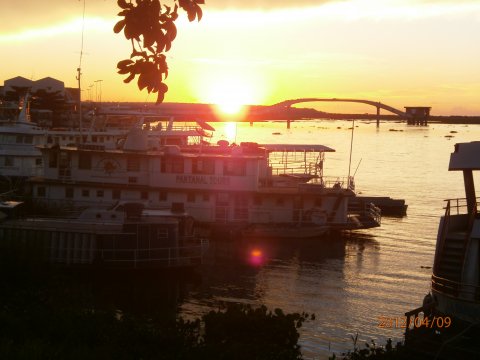
    <summary type="html"><![CDATA[<p>On Easter Sunday it was time to go back to Bolivia before the expiry of my visa. One Italian guy on his way to same direction joined me. There was only a two hours ride from the Pantanal resort to the border town called Corumba. At first the town looked very dodgy and scary and it took us a long time to find the the only hostel in town which was actually quite comfy with swimming pool and friendly service. The pretty receptionist explained us the way to the  riverfront  to see some live samba. The place changed our impression about the town. It was a nice place with it`s colonial buildings and the views to a river. There were quite amount of people spending their Easter Sunday. Instead of samba there was some cheesy gospel music to celebate the Easter. The sunset was also amazing.  We went to bed quite early, to get some rest before the long journey.</p>
<p>I was very nervous about the border crossing, because it was the last day when my visa was valid. Luckily I had no problems and the custom officials gave me actually 11 days more. The trains to Santa Cruz leave from Quijarro located on the Bolivian side of the border. There would have been a faster train in the  evening, but my Italian friend wanted to experience the slow train (chicken train) leaving in the morning. It was really slow and stopped in the every station, but it was nice to see the slowly changing scenery and all the villages on the way. We had basicly the whole car for ourselves. Besides us there were just one Brasilian and one Israelian guy. It was nice to share the travelling experiences with them. We also went to another car to talk with some local people. After enjoying the sunset it was time to have a dinner in one of the stations. The empanadas and meatsticks were tasty and cheap and the atmosphere was interesting. When we got pack we noticed that my dictionary and sunglasses were gone along with all the garbage. The padlock of my friend got stolen also Were were warned about the petty thieves and luckily  we didn`t leave any bags in the train. I hope that they found the Finnish-Spanish dictionary, candy papers, the padlock without the keys and the banana peals useful. Eventually the train got full, but somehow we could sleep somehow inspite of the lack of space. In the morning we were surprisingly well after the tough journey of 21 hours. Anyway I decided to hang around a bit with these guys in Santa Ceuz and take the bus to Cochabamba the next day.</p>]]></summary>
    <published>2012-04-12T03:31:01+03:00</published>
    <updated>2019-09-04T04:59:39+03:00</updated>
    <link rel="alternate" type="text/html" href="https://enne4.vuodatus.net/lue/2012/04/back-to-bolivia"/>
    <id>https://enne4.vuodatus.net/lue/2012/04/back-to-bolivia</id>
    <author>
      <name>enne51</name>
      <uri>https://enne4.vuodatus.net/</uri>
    </author>
  </entry>
  <entry>
    <title type="html"><![CDATA[Pantanal Brazil]]></title>
    <summary type="html"><![CDATA[<p>
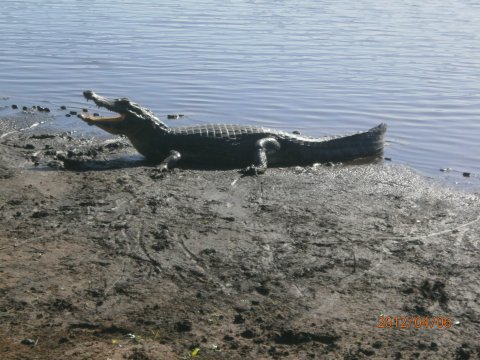
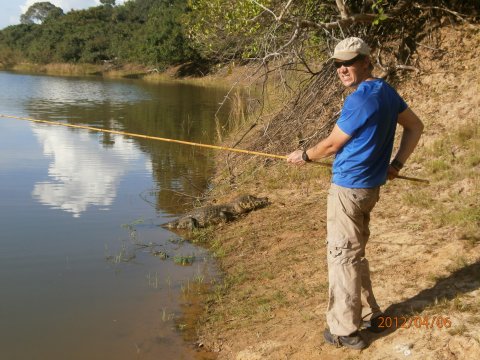
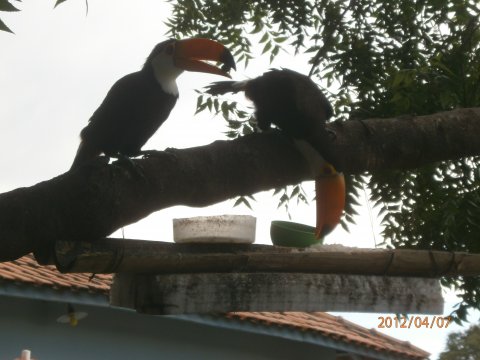
	From Puerto Iguazu I continued my trip to Foz do Iguazu (Brazil). From there I took the nightbus to Campo Grande (13h, 50€). The buses in Brazil are comfortable, but expencive. Because I wasn't sure how the things are I booked my tour to Pantanal already in Iguazu. I could have got it with the cheaper price though, if I would have made it in Campo Grande. I was offered the tour twice at the busstation while I was waiting for the person of my agency to show up. It was still a tiring 5 hours ride from Campo Grande to the resort of Santa Clara. Pantanal is one of the world's largest wetlands with very abundant wildlife. There are hundreds of bird, mammal, reptile and  fishspecies. During my stay I saw hundrends of caymans; some ragoons, wildpigs and monkeys; one armadillo, one cobra, capybaras and lots of colourful birds  (tucans, parrots, etc.).</p>
<p>
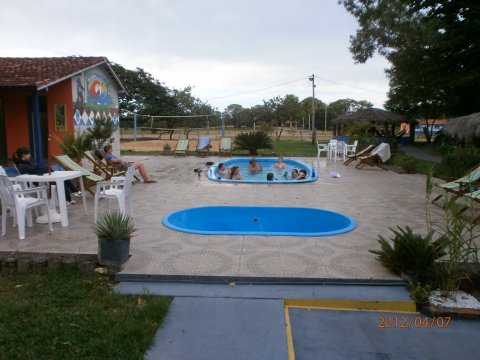
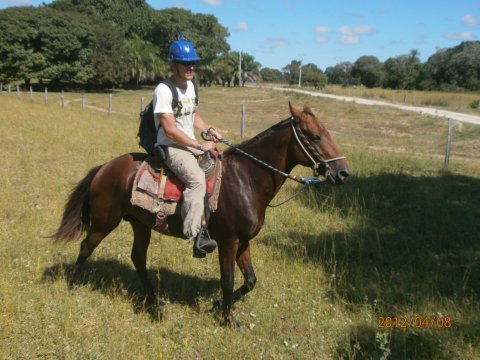
	The resort was quite modern (except the campsite) located in the middle of the nature with all the facilities, tasty food, pool and the music. There were two options for accommodation in a resort. Because of all the mosquitos and the heat I decided to stay in a dorm, but  it would have been also possible to sleep in  a hammock or in a tent at the campsite. The site wasn't very attractive though. I admit that my natural experience wasn't very authentic, but I'll try to change that in one cooler place with less mosquitos. Form the resort you are doing different activities like horsebackriding, fishing of Piranhas, carsafaris, boattours and naturewalking. The best experience was the combined carsafari and the naturewalk starting at 4.30 a.m. During that excursion we saw the most of the animals.   </p>
<p>
	<br /><img alt="" src="http://mediaserver-2.vuodatus.net/g/8/85483/1349875269_img-6b71e002b8e6d6730130157c4b9414a7.jpg" style="width:480px;height:360px;" /><img alt="" src="http://mediaserver-2.vuodatus.net/g/8/85483/1349875343_img-306472eec54b18d4afd2f32abee9e05f.jpg" style="width:360px;height:480px;" /><img alt="" src="http://mediaserver-2.vuodatus.net/g/8/85483/1349875464_img-8b56876fa4e70fcf2355d3efdf67f6ca.jpg" style="width:480px;height:360px;" /><img alt="" src="http://mediaserver-2.vuodatus.net/g/8/85483/1349875512_img-d3506ff0d8a54ccb20b8633e23b7da0c.jpg" style="width:360px;height:480px;" /><img alt="" src="http://mediaserver-2.vuodatus.net/g/8/85483/1349875562_img-52fe5ec88669d8d1e172064dab5b0bf7.jpg" style="width:480px;height:360px;" /><img alt="" src="http://mediaserver-2.vuodatus.net/g/8/85483/1349875638_img-2af02415f789b86a0614ac3e6526e0f6.jpg" style="width:480px;height:360px;" /><img alt="" src="http://mediaserver-2.vuodatus.net/g/8/85483/1349875692_img-02fd4021a54eb57bb1467605d9fbe7cc.jpg" style="width:480px;height:360px;" /><img alt="" src="http://mediaserver-2.vuodatus.net/g/8/85483/1349875760_img-ec594dd69a6bb19fcc4701657b9f3377.jpg" style="width:480px;height:360px;" /><img alt="" src="http://mediaserver-2.vuodatus.net/g/8/85483/1349875818_img-511b8e5a79cac2a950778cbcada9991e.jpg" style="width:480px;height:360px;" /><img alt="" src="http://mediaserver-2.vuodatus.net/g/8/85483/1349875860_img-7939ba32b0d063dd730da2dd8ea201cf.jpg" style="width:480px;height:360px;" /></p>
<p>
	   </p>]]></summary>
    <published>2012-04-11T01:08:01+03:00</published>
    <updated>2019-09-04T04:59:41+03:00</updated>
    <link rel="alternate" type="text/html" href="https://enne4.vuodatus.net/lue/2012/04/pantanal-brazil"/>
    <id>https://enne4.vuodatus.net/lue/2012/04/pantanal-brazil</id>
    <author>
      <name>enne51</name>
      <uri>https://enne4.vuodatus.net/</uri>
    </author>
  </entry>
  <entry>
    <title type="html"><![CDATA[Paraguay and Iguazu falls]]></title>
    <summary type="html"><![CDATA[<p>
	I bought a flightticket to Asuncion already six months ago, because they didn't let me fly to Bolivia from Madrid without having a ticket to leave the country. That was a good reason to visit Paraguay and Iguazu falls which are located on Argentina and Brazil near the border of Paraguay. Asuncion is a quiet, relaxed and developed city compared to Bolivian cities. I spent hardly any time in the center, but decided to visit the villages nearby which are located by a beautiful lake. Paraguayn people speak Guarani, fast Spanish and the strange mixture of those two languages. Luckily they can also speak nice and slow if they want. The country hasn't seen too many tourists so far, but they are getting there slowly but surely. I'm not so convinced about all the sights they advertise on their leaflets though. Ciudad del este near the Brasilian border was a ghosttown on sunday. One taxidriver offered to take me to Itaipu dam (second biggest in the world). I acepted his offer eventhough it cost me 20$, because there wasn't any other way to visit the place on sunday. After getting used to ridiculously cheap taxis in Bolivia this kind of price felt like a rip off. The visit was free and the guides were nice which compensated the disappointment of seeing no flowing water  (the dry season). In the evening I had to eat in Burger King, because there were no other places open. On monday there was so much noise and vendors everywhere that it was difficult to believe in being in the same city. I took the bus to Puerto Iguazu (Argentina) which goes first through Brazil (Foz de Iguazu). I was warned not to miss any stamps at the borders. I couldn't get the the exitstamp of Paraguay (the busdidn't stop), but everything went smoothly on Argentinian border.</p>
<p>
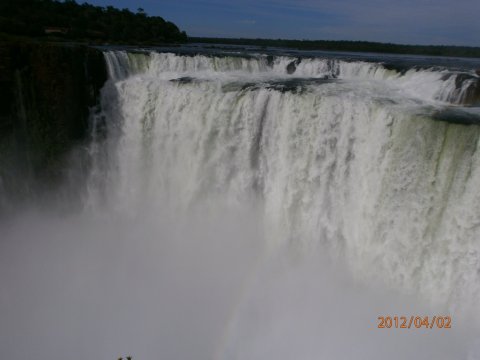
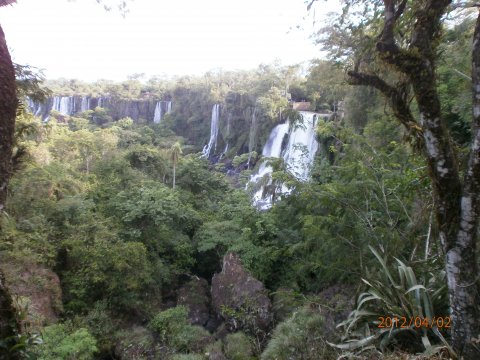
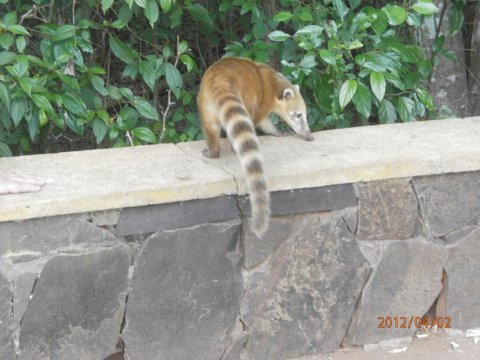
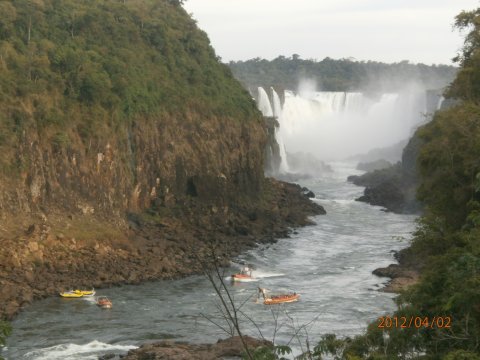
	Puerto Iguazu is quiet and relaxed city inspite of having the world-class attraction just down the road. There are many good restaurants and cheap hostels (10euros) with good faciliites and service. Local bus will take you to the falls every 20 minutes. The entrance costs you 100 pesos (20$). For the second day is only 50. The whole area is huge. Eventhough the train will take you to the magnificent Devil's throat (the biggest fall) expect to do lot of walking and climbing on the stairs and to meet big bunch of other tourists. In spite of all the tourists the whole area is so amazing that is definitely worth spending two days there. In addition to watch all the falls from different distances and angles you can do some hiking in the beaten (suitable also for fit retired people and children) junglepaths and admire the flora and fauna of the surrounding rainforest. I saw some caymans, turtles, monkeys, birds, butterflies and lot of exotic plants and trees. The staff is doing their best to protect the nature from all the visitors. The place is well supervised and you are not allowed to get out of the marked trails. Because of the dense jungle you don't even feel like doing it. After a long and tiring day on Iguazu jungle I went to watch the sunshine by the Parugayriver from where you can see all the three countries at the same time.     <br /><br /><img alt="" src="http://mediaserver-2.vuodatus.net/g/8/85483/1349874647_img-b4598e34980464349f71eddebe44629c.jpg" style="width:480px;height:360px;" /><img alt="" src="http://mediaserver-2.vuodatus.net/g/8/85483/1349874820_img-6445db773bdc40b5e598a1890443986b.jpg" style="width:480px;height:360px;" /><img alt="" src="http://mediaserver-2.vuodatus.net/g/8/85483/1349874898_img-2c4c9696caf5bb50228af6fa0b4fabb0.jpg" style="width:480px;height:360px;" /><img alt="" src="http://mediaserver-2.vuodatus.net/g/8/85483/1349874973_img-e549b16d76e0c8b943bd9492e4ba6199.jpg" style="width:480px;height:360px;" /><img alt="" src="http://mediaserver-2.vuodatus.net/g/8/85483/1349875066_img-74a39b72f409e516346d82fd114b0992.jpg" style="width:480px;height:360px;" /><img alt="" src="http://mediaserver-2.vuodatus.net/g/8/85483/1349875173_img-7e57d9edd1bd4055e4834bec1c11f083.jpg" style="width:480px;height:360px;" /></p>
<p>
	 </p>]]></summary>
    <published>2012-04-03T05:37:01+03:00</published>
    <updated>2019-09-04T04:59:43+03:00</updated>
    <link rel="alternate" type="text/html" href="https://enne4.vuodatus.net/lue/2012/04/paraguay-and-iguazu-falls"/>
    <id>https://enne4.vuodatus.net/lue/2012/04/paraguay-and-iguazu-falls</id>
    <author>
      <name>enne51</name>
      <uri>https://enne4.vuodatus.net/</uri>
    </author>
  </entry>
  <entry>
    <title type="html"><![CDATA[My last week in Cochabamba]]></title>
    <summary type="html"><![CDATA[<p>Everything has its end so did my time in Cochabamba. I had my last lessons in San Rafael secondary school and said good bye to students and the teachers. I tried to motivate the students once more and taught them some simple English songs. My best feedback was when one of my of my student said that they will do blockades around the school to prevent me leaving (the Bolivian way). All the students were so nice that I almost bursted in to tears. I wish the finnish students would be like that. In Pai Tarpuy I didn't tell the kids before when I'm leaving, but for some reason there were 30 kids  to share the cake (luckily it was big) on my last day. One of my housemates cooked a delicious dinner and for a dessert we had also a cake and three bottles of cheap Bolivian wine. It is always difficult to leave after you have settled down in one place, but somehow I managed to do it and to get ready for the new adventures. I am looking forward to have more classes of salsa and tango somewhere, but never with 1 euro per hour. Maybe I will forget all the figures, but hopefully not the latin way of dancing.</p>
<p><img src="http://mediaserver-2.vuodatus.net/g/8/85483/1334305970_img-d41d8cd98f00b204e9800998ecf8427e.jpg" alt="" /><img src="http://mediaserver-2.vuodatus.net/g/8/85483/1334306181_img-d41d8cd98f00b204e9800998ecf8427e.jpg" alt="" /><img src="http://mediaserver-2.vuodatus.net/g/8/85483/1334306486_img-d41d8cd98f00b204e9800998ecf8427e.jpg" alt="" /><img src="http://mediaserver-2.vuodatus.net/g/8/85483/1334306683_img-d41d8cd98f00b204e9800998ecf8427e.jpg" alt="" /></p>]]></summary>
    <published>2012-04-03T04:48:01+03:00</published>
    <updated>2019-09-04T04:59:46+03:00</updated>
    <link rel="alternate" type="text/html" href="https://enne4.vuodatus.net/lue/2012/04/my-last-week-in-cochabamba"/>
    <id>https://enne4.vuodatus.net/lue/2012/04/my-last-week-in-cochabamba</id>
    <author>
      <name>enne51</name>
      <uri>https://enne4.vuodatus.net/</uri>
    </author>
  </entry>
  <entry>
    <title type="html"><![CDATA[Sundaywalk to Pico Tunari]]></title>
    <summary type="html"><![CDATA[<p>
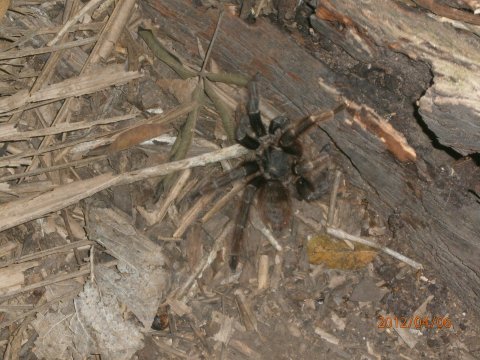
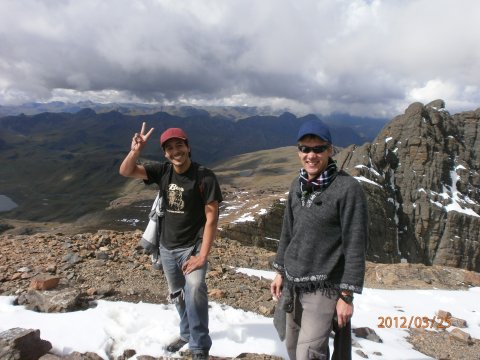
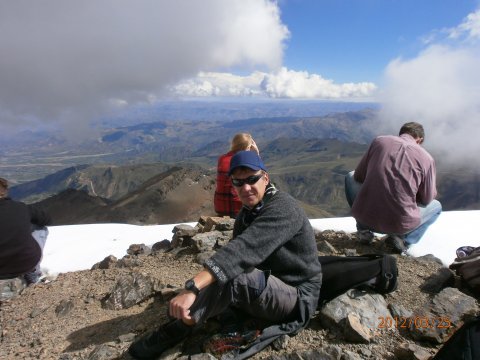
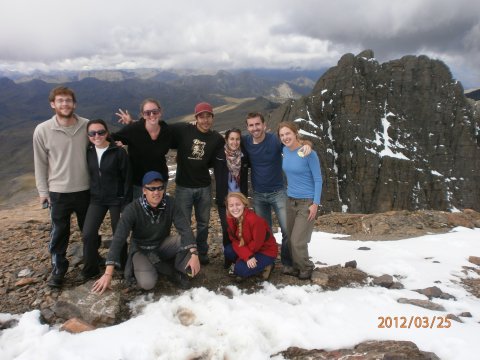
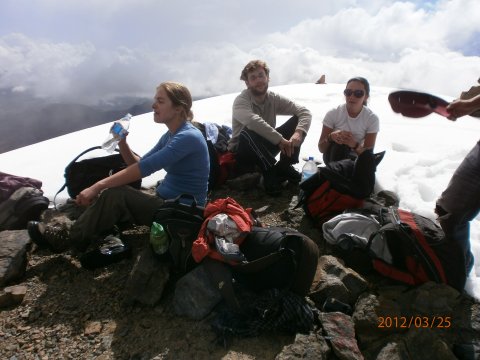
	There are big number of mountainpeaks higher than 5000m in Bolivia. Today we decided to climb one of them, Cerro Tunari which is the nearest high mountain to Cochabamba. We started the trip at 7 a.m. in the morning from Cochabamba by a public minivan (Trufi). From the nearest city called Quillacollo we rented the private transportation, because there is no other way to go to that mountain. Trufi took us to 4500m and at 11 a.m we could start climbing the mountain with many peaks. The weather was nice and the walk was pleasant until the final climb to the actual peak (the highest). Only two of us couldn't do the snowy and rocky climb to the top. The others could enjoy the beautiful views and sunny weather on the top of the mountain at 5035m. The climb is not technical, but the high altitude makes it a little bit challenging. My last climb was difficult and I couldn't breathe well so today I took two pills to prevent the symptoms of the altitudesickness.  We arrived at home in the evening after a long, but rewarding day.</p>
<p>
	<img alt="" src="http://mediaserver-2.vuodatus.net/g/8/85483/1349702746_img-60061ddb99a82081cd051e601688453f.jpg" style="width:480px;height:360px;" /><img alt="" src="http://mediaserver-2.vuodatus.net/g/8/85483/1349702606_img-746fdad88b9e1cefa99042478ea93750.jpg" style="width:480px;height:360px;" /><img alt="" src="http://mediaserver-2.vuodatus.net/g/8/85483/1349702993_img-c3be7f400f595c1e3e0bedeed9d4787f.jpg" style="width:480px;height:360px;" /><img alt="" src="http://mediaserver-2.vuodatus.net/g/8/85483/1349702888_img-28c4fc53db863b495189faad76f01d73.jpg" style="width:480px;height:360px;" /></p>]]></summary>
    <published>2012-03-26T06:04:01+03:00</published>
    <updated>2019-09-04T04:59:48+03:00</updated>
    <link rel="alternate" type="text/html" href="https://enne4.vuodatus.net/lue/2012/03/sundaywalk-to-pico-tunari"/>
    <id>https://enne4.vuodatus.net/lue/2012/03/sundaywalk-to-pico-tunari</id>
    <author>
      <name>enne51</name>
      <uri>https://enne4.vuodatus.net/</uri>
    </author>
  </entry>
</feed>